
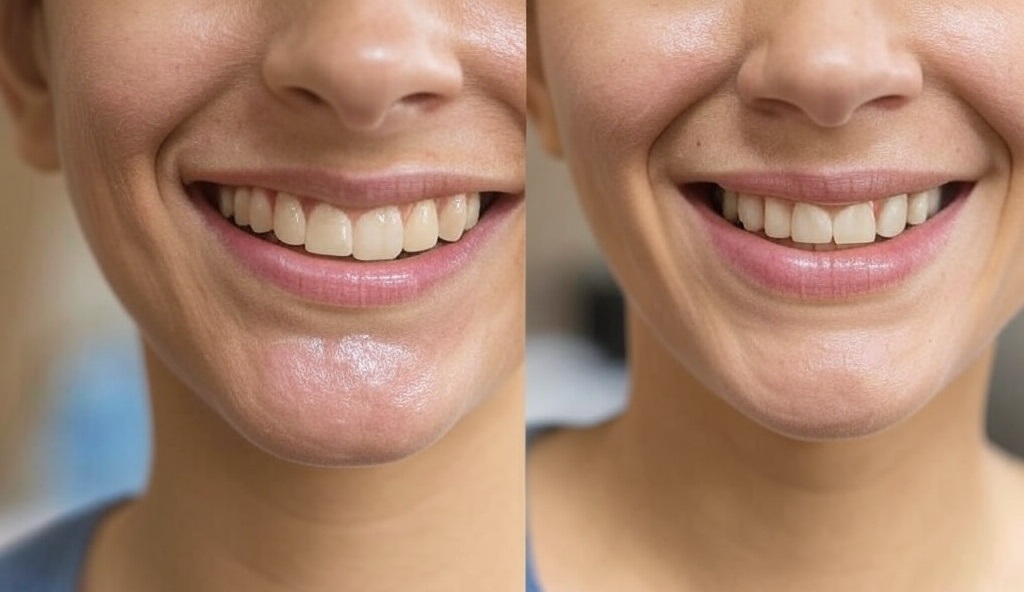
We’ve all watched those “wow, that’s a perfect smile” moments on Instagram, only to realize that behind that flawless grin is a mix of genetics, habits, and, sometimes, a good old‑fashioned dental appointment. If you’re the kind of person who loves the idea of a “smile makeover” but hates the thought of a lot of drilling, then the world’s latest innovation—Lumineers—might just be your golden ticket.
These ultra‑thin, translucent veneers can transform your teeth in just one or two visits, without the heavy reduction of enamel that traditional veneers require. Think of them as the “fast‑lane” version of a cosmetic dental procedure.
What Exactly Are Lumineers?
The Technology Behind Lumineers
Lumineers are made from a ceramic material called Lithium Disilicate Glass‑Ceramic. This gives them a natural translucency that mimics real tooth enamel. The key difference? Lumineers are 0.3 mm to 0.5 mm thick—roughly the thickness of a sheet of paper—making them almost invisible once bonded.
How They Differ from Traditional Veneers
When Are Lumineers a Good Fit?
Ideal Candidates
- Mild to moderate discoloration (yellow or brownish tints).
- Minor gaps or crowding that do not require orthodontic intervention.
- Early stages of enamel wear (e.g., from acidic drinks).
- Patients who want a “quick fix” but still want a natural look.
Conditions That Make Them Unsuitable
- Severe tooth decay that needs restoration.
- Large gaps or major misalignments (orthodontics first).
- Very thin enamel where additional protection is needed.
- Habitual grinding (bruxism) without a nightguard.
The Lumineers Journey
Initial Consultation & Diagnostic Photos
We start by taking a few high‑resolution photos and impressions of your mouth. Don’t worry—if your teeth are a bit “messy,” we can clean them first. This step is crucial because we’ll use these images for the digital smile design phase.
Digital Smile Design
Think of it as a 3D Photoshop session for your teeth. We overlay a virtual “Lumineer” onto your smile to see how the final look will appear. It’s a real-time preview, so you can tweak color, shape, or width on the spot.
In‑Office Preparation (Minimal Tooth Reduction)
The best part? Most of the time, we can skip any significant enamel removal. If your teeth are a bit thicker or have a mild enamel defect, a light “sculpting” with a diamond bur (just a feather touch) may be needed. It’s often a matter of a single, quick pass.
Adhesion and Polishing
After cleaning and prepping, the Lumineers are etched and bonded using a resin cement. Once set, we polish the surfaces so they shine like a freshly cleaned kitchen countertop. Your smile is now ready for the world.
The Science of Strength & Longevity
Material Durability
Lithium Disilicate Glass‑Ceramic is one of the toughest ceramic materials used in dentistry. Its strength is comparable to natural enamel, resisting chips and cracks if treated properly.
Typical Lifespan and What to Expect Over Time
- Average lifespan: 10–15 years.
- Color changes: Minimal.
- Wear & tear: With regular check‑ups and a good nightguard, you can extend life.
Pros & Cons
Advantages
- Minimal enamel removal → Less risk of sensitivity.
- One‑visit or two‑visit options.
- Natural translucency → Very realistic appearance.
- Quick, predictable outcome → Great for people with tight schedules.
- Reversible in many cases (especially if no enamel is removed).
Disadvantages & Potential Complications
- Not a cure‑all: For severe decay or large gaps, other treatments are needed.
- Higher cost compared to composite fillings.
- Potential for minor discoloration if you consume heavily pigmented foods without proper care.
- Requires strict oral hygiene; a small plaque buildup can lead to staining.
After‑Care & Maintenance
Daily Hygiene Routine
- Brush twice a day with fluoride toothpaste.
- Floss daily to keep the gum line clean.
- Use an interdental brush for hard‑to‑reach spots.
Special Tips for Avoiding Stains and Chips
- Limit coffee, tea, red wine, and cola or rinse your mouth with water afterward.
- Avoid biting hard objects (ice, pens).
- Wear a mouthguard if you grind at night or play sports.
Insurance Coverage and Payment Plans
- Most private insurance does not cover cosmetic procedures.
- Some dental plans offer partial coverage if a medical need is proven.
- Payment plans: 3–6 months interest‑free options are common.
Frequently Asked Questions
Closing Thoughts
Lumineers are a game‑changer for anyone who wants a natural‑looking smile upgrade with minimal downtime. Think of them as the “fancy, low‑maintenance” option in a world of traditional veneers.
Whether you’re a busy professional, a student, or just someone who’s been waiting for the perfect moment to brighten their grin, Lumineers can make that moment happen—fast, reliable, and without the pain of extensive drilling.
Ready to give your smile a fresh boost? Book a consultation today, and let’s design the smile you’ve always imagined—without the “dentist waiting room” drama.