
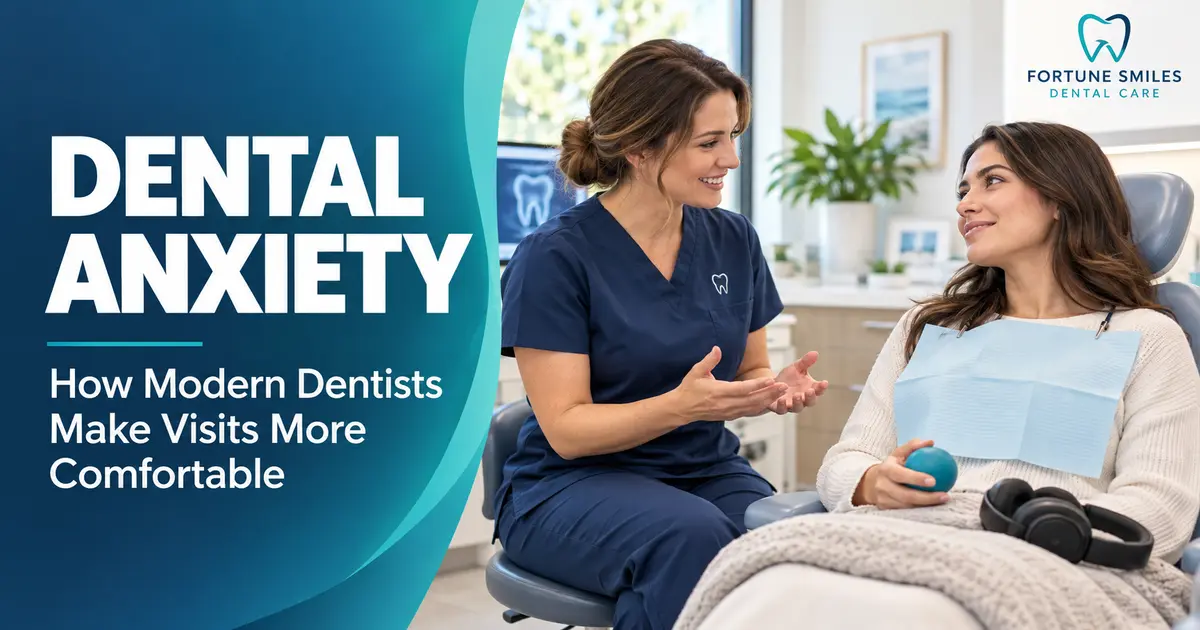
Feeling nervous before a dental appointment is common. Some patients feel mildly uneasy in the waiting room, while others experience a racing heartbeat, muscle tension, nausea, difficulty sleeping, or a strong urge to cancel the visit entirely.
A previous painful experience, fear of needles, sensitivity to sounds, concern about losing control, embarrassment about the condition of the teeth, or uncertainty about cost can all contribute to dental anxiety. For some people, several concerns occur at the same time.
Modern anxiety-aware dentistry is not based on telling patients to “just relax.” It uses communication, careful pain control, predictable treatment steps, quieter technology, agreed signals, shorter appointments, and—when appropriate—sedation to make care more manageable.
The goal is not simply to complete a procedure. It is to help the patient feel heard, informed, safe, and in control throughout the appointment.
Quick Answer: What Helps With Dental Anxiety?
Dental anxiety becomes easier to manage when the dental team knows about it before treatment begins. The dentist can identify your triggers, explain what to expect, establish a stop signal, provide effective numbing, divide care into manageable visits, and discuss additional relaxation or sedation options when appropriate.
- Tell the office about your anxiety while scheduling.
- Explain which part of dental care worries you most.
- Request an explanation before each step if information helps you.
- Agree on a hand signal for pauses.
- Tell the dentist immediately if you feel pain.
- Use headphones, breathing exercises, or another helpful distraction.
- Discuss sedation only after reviewing your health and treatment needs.
How Common Is Dental Anxiety?
Dental fear is not unusual or a sign of weakness. A systematic review of adult studies estimated that approximately 15.3% of adults experience dental fear or anxiety, 12.4% experience high dental fear, and 3.3% experience severe dental fear. Estimates vary according to the population and the questionnaire used.
Anxiety can affect people who otherwise feel comfortable in medical settings. It may also appear after years of problem-free visits following a difficult procedure, a new health diagnosis, a traumatic experience, or a period of delayed dental care.
Some patients feel anxious about one specific trigger, such as injections. Others fear the entire situation, including the chair, sounds, smells, cost, diagnosis, or the possibility of feeling judged.
Dental Anxiety, Dental Fear, or Dental Phobia?
| Term | What It May Feel Like | Possible Approach |
|---|---|---|
| Mild anxiety | Nervousness before the visit but still able to attend | Communication, explanations, breaks, breathing, and distraction |
| Moderate or high fear | Strong physical symptoms, poor sleep, repeated postponement, or difficulty tolerating treatment | Gradual care, detailed anxiety plan, shorter visits, and possible sedation assessment |
| Dental phobia | Severe, persistent fear that causes avoidance or major distress | Coordinated dental care and professional psychological support such as CBT |
These terms are sometimes used interchangeably in everyday conversation, but the intensity and effect on daily life matter. A patient who has avoided care for years or experiences panic may need more support than someone who feels mildly nervous before a cleaning.
Why Are People Afraid of the Dentist?
Understanding the source of anxiety helps the dental team choose the right strategy. Simply offering sedation may not address a patient whose main concern is embarrassment, unexpected costs, or feeling unable to communicate.
Fear of Pain
A past painful appointment may make patients expect every future procedure to hurt.
Needles or Numbing
Some patients fear the injection, while others worry that local anesthesia will not work.
Loss of Control
Lying back with instruments in the mouth can make a person feel vulnerable or unable to communicate.
Sounds and Sensations
Drill sounds, vibration, pressure, water, suction, tastes, or smells can trigger anxiety.
Embarrassment
Patients may worry that the dentist will criticize their teeth, breath, hygiene, or delayed visits.
Cost or Diagnosis
Uncertainty about treatment needs and expenses can create as much anxiety as the procedure itself.
The Dental Anxiety Cycle
Anticipating pain or bad news
Canceling or delaying visits
Small problems become larger
Treatment becomes less predictable
Breaking this cycle often begins with a low-pressure examination rather than waiting for severe pain. Early problems are usually easier to discuss, plan, and manage than dental emergencies.
How Modern Dentists Make Appointments More Comfortable
Comfort does not come from one machine or medication. It usually comes from several small decisions made before and during treatment.
1. Listening Before Treatment Begins
An anxiety-aware appointment starts with questions. What happened during previous visits? Is your main concern pain, needles, choking, sound, cost, embarrassment, or loss of control? What has helped in other healthcare settings?
This conversation allows the dentist to personalize the visit instead of assuming every anxious patient needs the same approach.
2. Explaining Treatment in Manageable Steps
Some patients become calmer when they know what will happen next. The dentist may explain the purpose of each step, how long it should take, and which sensations are normal.
Other patients prefer less detail because extensive descriptions increase anxiety. Tell the dental team which communication style works better for you.
3. Giving the Patient a Stop Signal
A common strategy is agreeing that raising one hand means “please stop.” The dentist can then pause, remove instruments, allow you to sit up, or address the concern.
Knowing that you can stop the procedure may reduce the fear of being trapped or unable to communicate.
4. Scheduling Additional Time
When the office knows about anxiety in advance, it may be possible to avoid a rushed appointment. Extra time allows for questions, gradual numbing, short breaks, and confirmation that the patient is comfortable before proceeding.
Modern Pain Control and Gentle Numbing
Fear of pain is one of the most common reasons patients avoid dentistry. Modern local anesthesia can block pain in a specific treatment area while the patient remains awake and responsive.
A topical numbing gel may be placed before the local anesthetic injection. The anesthetic can then be delivered slowly, and the dentist can allow sufficient time for it to work before beginning treatment. Some practices may also use computer-controlled anesthetic delivery systems for selected procedures.
Local anesthesia prevents pain, but you may still notice pressure, movement, water, vibration, or sound. Knowing the difference between pressure and pain can make these sensations less alarming.
If you feel sharp pain, tell the dentist immediately. Pain control can be reassessed, and more anesthetic or additional time may be needed. Patients should not feel embarrassed about requesting a pause.
Technology That Can Reduce Uncertainty and Discomfort
| Technology or Approach | How It May Help | Important Limitation |
|---|---|---|
| Digital X-rays | Images appear quickly and may reduce waiting and uncertainty | Sensors may still feel uncomfortable for patients with a strong gag reflex |
| Intraoral cameras | Patients can see what the dentist sees and understand recommendations | Some patients prefer not to view close-up images |
| Digital dental scans | May replace traditional impression material for certain treatments | Not every procedure or clinical situation can use a digital scan |
| High-volume suction | Helps control water and debris during treatment | The sound may bother some patients |
| Headphones or video | Provides distraction from sounds and the clinical environment | The patient must still be able to hear important instructions |
Can Dental Treatment Be Divided Into Smaller Visits?
Yes, when clinically appropriate. A patient who has avoided dental care may feel overwhelmed by the idea of completing everything at once. The first visit can sometimes focus on conversation, examination, X-rays, and planning rather than immediate treatment.
Treatment may then begin with a shorter or simpler procedure to help the patient become familiar with the office, team, and comfort strategies. Successful experiences can gradually rebuild confidence.
Not every problem can wait. Severe pain, facial swelling, infection, trauma, or uncontrolled bleeding may require prompt treatment. The dentist should explain which concerns are urgent and which can safely be addressed in stages.
Breathing, Relaxation, and Distraction Techniques
Simple techniques can reduce muscle tension and help patients remain present during an appointment. They do not replace anesthesia or treatment, but they may make the experience easier.
Slow Breathing
Inhale gently through the nose, pause briefly, and exhale slowly. Avoid taking rapid, forceful breaths.
Muscle Release
Notice tension in the shoulders, jaw, hands, and feet, then relax one area at a time.
Audio Distraction
Listen to familiar music, a podcast, or an audiobook while keeping the volume safe for communication.
Grounding
Focus on a neutral detail in the room or gently press your feet against the chair support.
What If You Have a Strong Gag Reflex?
A sensitive gag reflex can increase anxiety, and anxiety can make the gag reflex feel stronger. Tell the dental team before instruments or X-ray sensors are placed in your mouth.
The team may adjust your position, use smaller instruments when available, take breaks, improve suction, encourage nasal breathing, or choose digital scanning instead of impression material for suitable treatments.
Persistent gagging may also be affected by nasal congestion, reflux, medications, or other health conditions. Your dentist may recommend discussing these factors with a physician when appropriate.
Sedation Options for Dental Anxiety
Sedation may help selected patients who cannot become comfortable with communication and behavioral strategies alone. The appropriate option depends on anxiety level, medical history, age, medications, procedure length, and the training and facilities available at the dental office.
Nitrous Oxide
Nitrous oxide is inhaled through a small nose mask and can create a calmer, more relaxed feeling. The level can be adjusted during treatment. It is commonly called laughing gas, although patients do not necessarily laugh or fall asleep.
Oral Sedation
A dentist may prescribe an oral medication before treatment for appropriate patients. Effects vary, and patients usually need transportation and specific pre-appointment instructions.
IV Sedation
Intravenous sedation can produce deeper relaxation and limited memory of the procedure. It requires appropriately trained professionals, monitoring, medical assessment, and recovery planning.
General Anesthesia
General anesthesia makes the patient unconscious and is not routinely required for ordinary dental anxiety. It is generally reserved for specific medical, behavioral, or procedural circumstances.
Patients concerned specifically about implant anesthesia can read our separate guide explaining whether you are put under for dental implants.
Sedation and Local Anesthesia Are Not the Same
Local anesthesia controls pain by numbing a specific area. Sedation reduces anxiety, awareness, or memory depending on the type and depth used.
A relaxed or sleepy patient may still need local anesthesia for a procedure that would otherwise cause pain. Similarly, a fully numb patient may remain anxious without additional communication or anxiety-management support.
The dentist should explain which methods are being considered, what each one does, potential risks, eating or drinking restrictions, medication instructions, transportation requirements, and expected recovery.
How to Prepare Before Your Appointment
- Tell the office in advance: Mention your anxiety when scheduling so appropriate time and support can be planned.
- Write down your triggers: Identify whether pain, needles, gagging, sounds, cost, or uncertainty worries you most.
- Prepare your questions: A short written list can help if anxiety makes it difficult to remember questions.
- Bring accurate health information: Include medications, allergies, health conditions, previous sedation reactions, and substance use.
- Avoid excessive caffeine: Large amounts may increase shakiness or a racing heartbeat in some people.
- Ask about food instructions: Do not fast unless the dental team instructs you to do so.
- Arrange transportation when required: Some forms of sedation make driving unsafe.
Never take someone else’s anti-anxiety medication, increase your usual dose, or combine medication with alcohol or cannabis before a dental appointment.
What to Say When Booking the Appointment
You do not need to provide a long explanation. A simple statement gives the office useful information:
Example:
“I feel very anxious about dental treatment and have postponed visits because of it. My main concerns are injections and not being able to stop the procedure. Could we plan extra time to discuss comfort options before treatment?”
You can also ask whether the first appointment can focus on an examination and treatment plan. If pain, swelling, or infection is present, inform the office because urgent treatment may still be necessary.
What a First Anxiety-Aware Visit May Include
| Stage | What May Happen | How It Supports Comfort |
|---|---|---|
| Conversation | Review concerns, previous experiences, health history, and goals | Creates an individualized plan |
| Examination | Assess the teeth, gums, bite, and oral tissues | Identifies urgent and non-urgent needs |
| Imaging | Take only the X-rays or scans needed for diagnosis | Reduces uncertainty about hidden problems |
| Prioritization | Separate urgent care from preventive or elective treatment | Prevents the plan from feeling overwhelming |
| Comfort plan | Discuss breaks, numbing, communication, and possible sedation | Sets expectations before treatment |
How Preventive Care Can Make Future Visits Easier
When patients attend only after pain begins, appointments are more likely to involve urgent decisions and more extensive treatment. Routine visits allow the dentist to identify changes earlier, often before they become painful.
Preventive appointments also help patients become familiar with the dental team when no emergency is present. Repeated neutral or positive experiences can gradually replace expectations formed by a previous difficult visit.
Learn more about examinations, professional cleanings, digital X-rays, fluoride, and early detection on our preventive dentistry in San Jose page.
When Dental Anxiety May Need Additional Support
Severe dental fear can be a specific phobia rather than ordinary nervousness. Consider discussing psychological support with a qualified healthcare professional if dental fear causes panic, affects sleep for days, triggers traumatic memories, or prevents you from attending despite pain or infection.
Cognitive behavioral therapy has evidence for reducing persistent dental anxiety and dental phobia. Treatment may include identifying unhelpful expectations, learning coping strategies, and gradually approaching feared situations in a controlled way.
Psychological support and dental treatment do not compete with each other. For some patients, coordination between a dentist and mental health professional provides the strongest long-term path back to routine care.
Signs You Have Found an Anxiety-Aware Dental Team
- They listen without dismissing or criticizing your concerns.
- They ask about specific triggers instead of making assumptions.
- They explain what is urgent and what can be completed gradually.
- They discuss costs and treatment options before proceeding.
- They check that local anesthesia is effective.
- They respect the agreed stop signal.
- They explain sedation benefits, limitations, and safety requirements honestly.
- They help you plan the next visit before anxiety leads to another long delay.
Nervous About Visiting the Dentist?
Tell Fortune Smiles Dental Care what makes dental visits difficult for you. Our team can discuss your concerns, explain what to expect, and create a personalized plan for a more comfortable appointment.
Frequently Asked Questions
Is dental anxiety normal?
Yes. Dental anxiety is common and can range from mild nervousness to severe fear that causes avoidance. Tell the dental office before your appointment so the team can plan appropriate support.
Will a dentist judge me for having bad teeth?
A professional dental team should focus on diagnosis, comfort, and solutions rather than criticism. Many patients delay care because of fear, finances, health conditions, or previous experiences. The purpose of the visit is to create a practical path forward.
Can I ask the dentist to stop during treatment?
Yes. Agree on a hand signal before treatment begins. The dentist can pause so you can communicate, rest your jaw, sit up, or address pain and discomfort.
Can I be sedated for a routine dental visit?
Sedation may be available for selected patients and procedures, but it is not automatically necessary or appropriate for every routine visit. The dentist must review your anxiety, medical history, medications, treatment needs, and available options.
What if local anesthesia has not worked well for me before?
Tell the dentist before treatment and describe what happened. Tooth inflammation, anatomy, timing, injection technique, and individual differences can influence numbing. The dentist can reassess the approach and confirm anesthesia before proceeding.
Can I bring someone with me?
Ask the office when scheduling. A trusted person may help with transportation or emotional support, although space, privacy, treatment, and safety policies determine whether they can remain in the treatment room.
What is the best first appointment after avoiding the dentist for years?
Begin with an examination and an honest conversation about your anxiety. The dentist can identify urgent problems, explain the findings, and divide treatment into manageable steps. Severe pain, swelling, or infection should be reported when scheduling.
Disclaimer: This article provides general educational information and does not replace a dental examination, diagnosis, treatment plan, or individualized medical advice. Sedation availability and suitability vary according to the patient, procedure, provider training, and applicable regulations.