
Preventing gum disease is one of the most powerful ways to protect your oral health, your smile, and even your overall well-being. Gum disease (also known as periodontal disease) affects nearly half of adults in the United States—and it remains one of the top causes of tooth loss.
The good news? It is highly preventable with the right habits, early detection, and timely professional care.
In this comprehensive guide, we’ll cover:
• What gum disease is
• Early warning signs you should never ignore
• At-home prevention techniques that actually work
• When home care is not enough
• When to see a dentist for gum treatment
• Treatment options available in California
• Tips for high‑risk patients
• And a step‑by‑step plan to keep your gums healthy for life
Understanding Gum Disease: The Basics
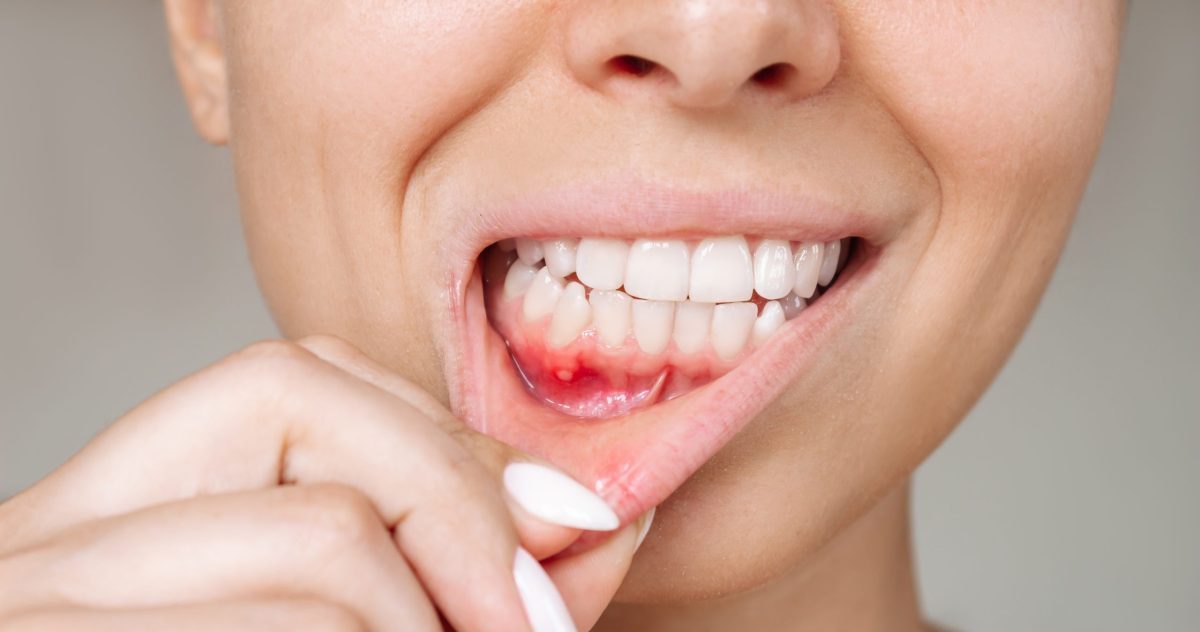
Gum disease is an inflammatory infection of the gums and supporting bone caused by bacteria-filled plaque. It progresses in stages:
1. Gingivitis
This is the earliest and mildest form.
Symptoms include:
- Bleeding gums
- Redness or swelling
- Mild tenderness
- Bad breath
At this stage, gum disease is reversible with proper care.
2. Early Periodontitis
Inflammation spreads deeper.
Here we see:
- Mild bone loss
- Gum recession
- Persistent bleeding
- Gum pockets 3–5 mm deep
This stage requires professional treatment.
3. Moderate-to-Severe Periodontitis
Bacteria invade deeper tissues and bone.
Results include:
- Deep pockets
- Loose teeth
- Bone destruction
- Pain while chewing
- Shifting teeth or changing bite
At this stage, advanced periodontal therapy is required.
Why Gum Disease Matters
It’s not just about your teeth—periodontal disease has been linked to:
- Heart disease
- Diabetes
- Stroke
- Pregnancy complications
- Immune disorders
- Respiratory infections
Studies show that untreated gum disease causes chronic inflammation, which affects the entire body.
Early Signs of Gum Disease You Should Never Ignore
Early detection is the key to preventing irreversible damage.
Here are the most common early warning signs:
1. Bleeding Gums
If your gums bleed when brushing or flossing—even a little—this is not normal.
It is the #1 early indicator of gingivitis.
2. Swollen or Red Gums
Healthy gums are pale pink and firm.
Inflamed gum tissue is darker, puffy, and tender.
3. Bad Breath That Won’t Go Away
Chronic halitosis often means harmful bacteria are active under the gumline.
4. Gum Sensitivity or Soreness
Tingling or discomfort along the gum margins usually signals inflammation.
5. Receding Gums
If your teeth appear longer than before, this is an early sign of gum disease progression.
6. Plaque and Tartar Buildup
When plaque hardens into tartar, brushing alone cannot remove it—and gum disease begins.
7. Metallic Taste in the Mouth
A sign of bacterial activity or bleeding.
If you experience any of these symptoms, early intervention prevents long-term complications.
Causes of Gum Disease
Understanding the causes helps you control them.
- Poor brushing and flossing
- Infrequent dental cleanings
- Smoking and vaping
- Diabetes
- Genetics
- Hormonal changes (pregnancy, menopause)
- Misaligned teeth
- Stress
- Dry mouth
- Poor diet (especially high sugar intake)
Even patients with good brushing habits can develop gum disease if professional cleanings are delayed.
How to Prevent Gum Disease at Home
Gum disease prevention starts with daily habits. Here is a dentist-approved routine that works.
1. Brush Twice a Day—Properly
Technique matters more than pressure.
Steps for ideal brushing:
- Use a soft-bristled brush
- Hold it at a 45-degree angle
- Use gentle circular motions
- Brush for at least 2 minutes
- Cover gums as well as teeth
- Replace your brush every 3 months
Electric toothbrushes (Oral-B, Sonicare) remove 2–3x more plaque.
2. Floss Daily—Non-Negotiable
Flossing removes plaque where your toothbrush cannot reach.
Skipping flossing means 35% of your tooth surfaces stay dirty.
If traditional floss is difficult, alternatives include:
- Water flosser (Waterpik)
- Soft picks
- Interdental brushes
Water flossers are especially effective for patients with bridges, implants, or orthodontic aligners.
3. Use an Antimicrobial Mouthwash
Look for a product containing:
- Chlorhexidine (requires prescription)
- Cetylpyridinium chloride
- Essential oils
Mouthwash reduces bacterial load and inflammation.
4. Clean Your Tongue
The tongue harbors bacteria that can cause gum irritation.
A tongue scraper is more effective than brushing the tongue.
5. Reduce Sugar and Processed Carbohydrates
Bacteria feed on sugar.
The more sugar you eat, the more acidic plaque becomes.
Choose:
- Whole grains
- Lean proteins
- Leafy greens
- Low-sugar snacks
6. Stay Hydrated
Saliva helps neutralize acids and flush bacteria.
Dry mouth increases gum disease risk significantly.
7. Quit Smoking or Vaping
Smoking reduces blood flow to the gums, accelerates recession, and weakens tissue healing.
8. Manage Stress
Stress reduces immunity, making it easier for bacteria to cause inflammation.
9. Use a Nightguard (If You Grind Your Teeth)
Bruxism causes gum recession and bone stress.
When Home Care Is NOT Enough
Even with perfect brushing, plaque hardens into tartar after 24–72 hours.
No toothbrush can remove tartar.
This is why professional dental cleanings every 6 months are critical.
If gingivitis has already started, home care cannot fully reverse deep bacterial pockets.
You need periodontal treatment.
When to See a Dentist for Gum Disease Evaluation
Visit a dentist immediately if you experience:
- Bleeding gums for more than 2–3 days
- Persistent bad breath
- Pain while brushing
- Gums pulling away from teeth
- Visible tartar buildup
- Sensitivity to temperature
- Loose teeth
- Pus around gums
- A metallic taste
- Deep pockets diagnosed previously
If you live in San Jose, Blossom Valley, Almaden, or nearby neighborhoods, receiving timely periodontal care is essential to prevent progression.
Professional Gum Disease Treatments at the Dental Office
Modern dentistry offers highly effective treatments. At Fortune Smiles Dental, the most common include:
1. Professional Dental Cleaning
A routine cleaning removes:
- Plaque
- Tartar
- Surface stains
- Bacterial buildup around the gumline
This stops gingivitis before it progresses.
2. Scaling and Root Planing (Deep Cleaning)
The gold standard for early periodontitis.
It:
- Removes tartar below the gumline
- Smooths root surfaces
- Shrinks gum pockets
- Reduces bacterial load
- Allows gums to heal and reattach
Often completed in 1–2 visits.
3. Local Antibiotic Therapy
For targeted infections inside gum pockets.
Antibiotic gels or microspheres are placed under the gums for sustained release.
4. Laser Gum Therapy
Laser treatment eliminates infected tissue and kills bacteria with minimal discomfort.
This reduces pocket depth and speeds healing.
5. Gingival Grafting for Recession
When gum tissue is lost, grafting restores coverage and protects the roots from sensitivity and decay.
6. Periodontal Maintenance
After treatment, maintenance cleanings every 3–4 months prevent recurrence.
Gum Disease Prevention Tips for High-Risk Patients
If you have one of the following, you need extra caution:
- Diabetes
- Smoking habit
- Pregnancy
- Family history
- Autoimmune disorders
- Crooked teeth
- Stressful lifestyle
- Dry mouth (from medication or breathing habits)
High‑risk patients benefit from more frequent dental visits and antimicrobial routines.
What Happens If Gum Disease Is Untreated
Complications escalate quickly:
- Severe gum recession
- Bone loss
- Loose or shifting teeth
- Chronic infection
- Tooth loss
- Need for implants or dentures
- Worsening systemic inflammation
Early intervention prevents thousands of dollars in future treatment.
A Step-by-Step Prevention Plan
Here’s a simple, dentist-approved routine:
- Brush twice daily (2 minutes, soft brush)
- Floss once daily
- Use antibacterial mouthwash
- Scrape your tongue
- Drink plenty of water
- Limit sugar
- Avoid smoking
- Manage stress
- Visit the dentist every 6 months
- Seek immediate care for early signs
A 10-minute daily routine can prevent lifelong dental issues.
Your Gums Can Heal — If You Act Early
The key to saving your gums is timing.
Gingivitis can be reversed.
Periodontitis can be controlled.
Tooth loss can be prevented.
Healthy gums mean:
- Fresher breath
- A brighter smile
- Better overall health
- Stronger teeth
- Lower dental bills long‑term
Protecting your gums is one of the smartest investments you can make.