
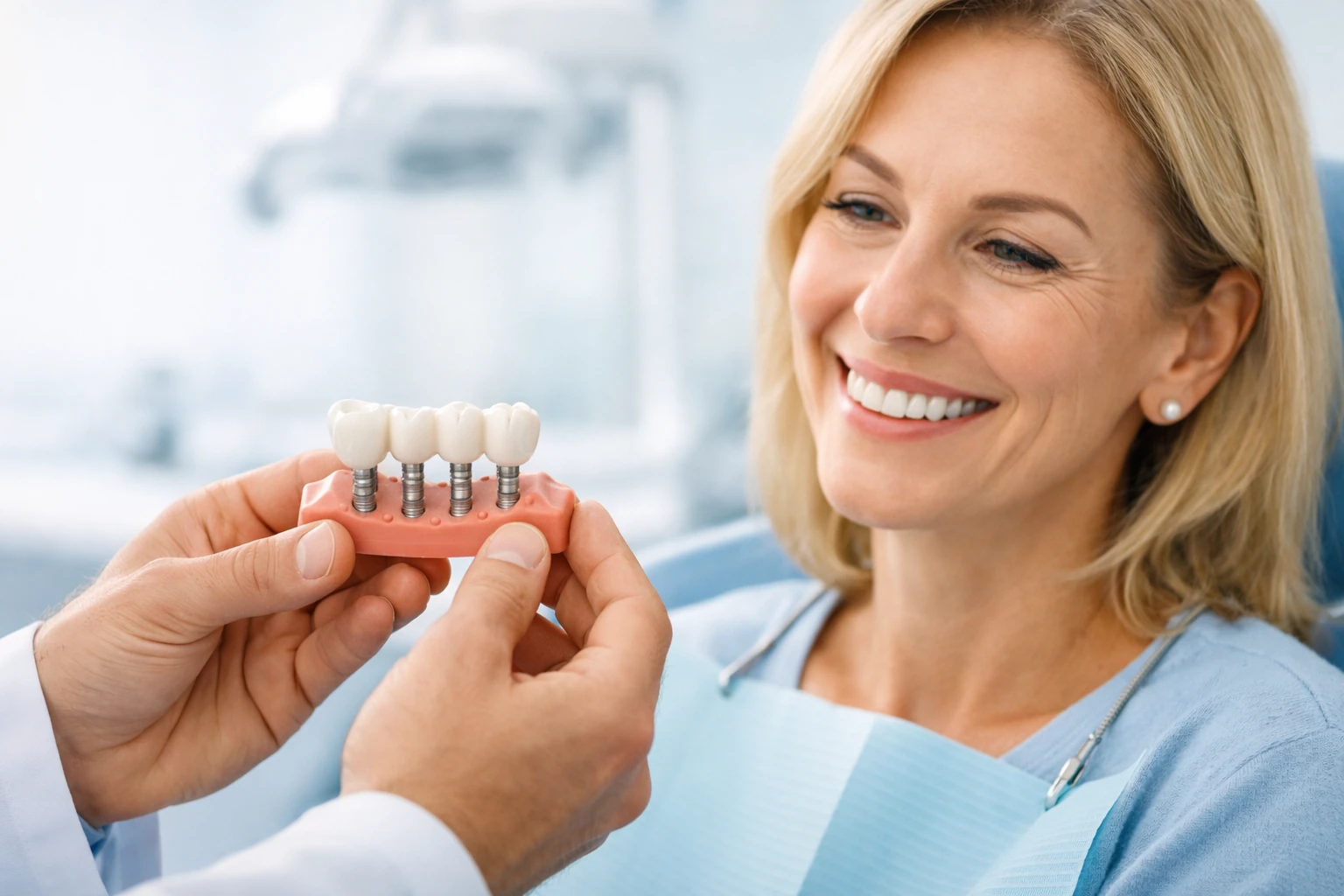
Maintaining proper oral function, comfort, and esthetics is essential for long-term health and quality of life. When teeth are missing, severely damaged, or structurally compromised, dental prostheses play a crucial role in restoring both form and function. At Fortune Smiles Dental in San Jose’s Blossom Valley community, we provide modern, customized prosthetic solutions designed to mimic natural teeth with remarkable precision.
What Is a Dental Prosthesis?
A dental prosthesis is an artificial replacement designed to restore missing or compromised teeth. The prosthesis may replace a single tooth, multiple teeth, or even a full dental arch. Depending on the patient’s needs, prostheses can be removable, fixed in place, or supported by dental implants.
The goal of any dental prosthesis is to:
• Restore chewing efficiency
• Improve speech clarity
• Maintain natural facial structure
• Prevent jawbone deterioration
• Enhance smile esthetics
Modern prosthodontics uses advanced digital imaging, 3D scanning, and high-performance materials to ensure maximum durability, comfort, and natural appearance.
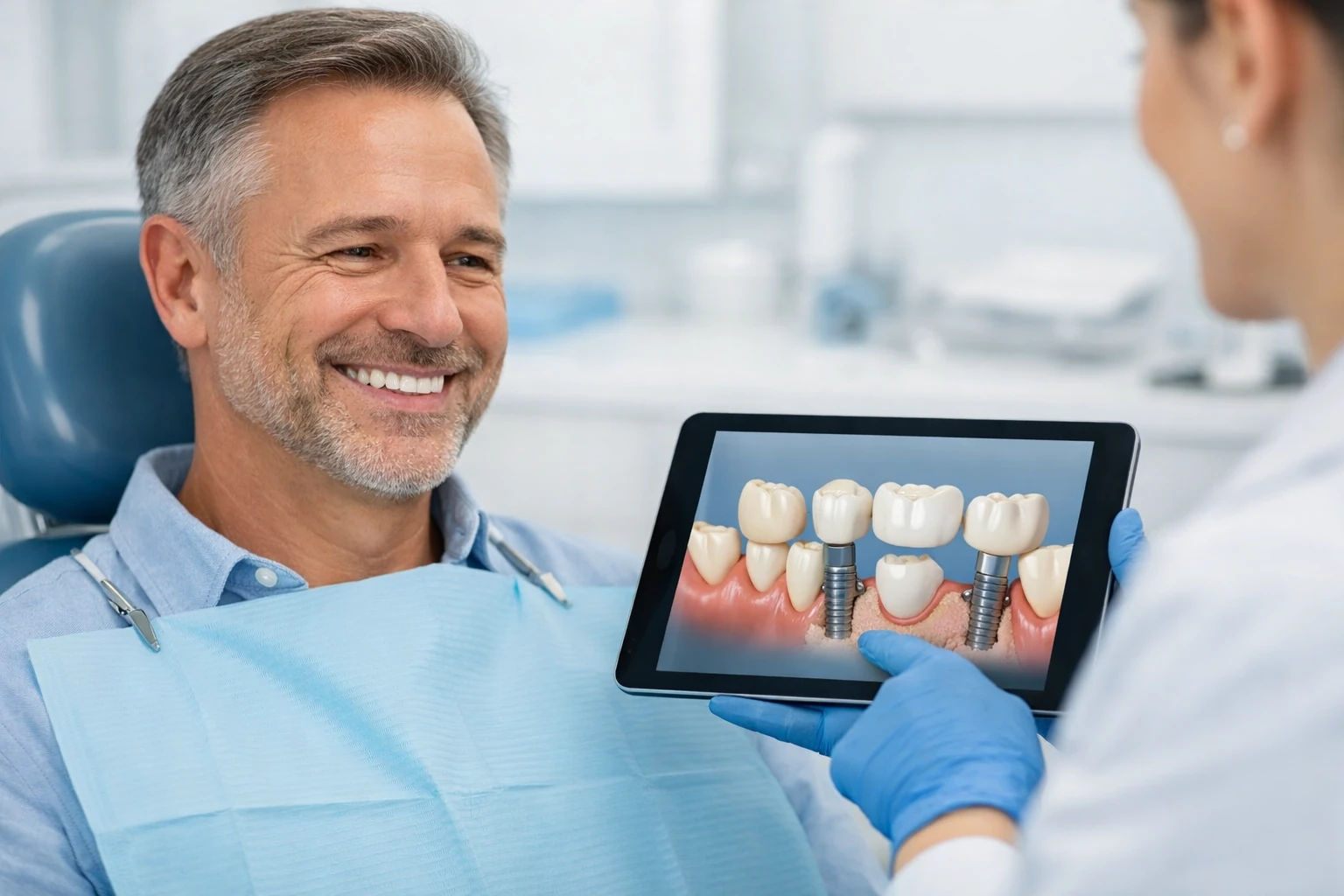
How Dental Prosthesis Works: The Science Behind It
Creating a dental prosthesis involves several precise and highly coordinated steps:
-
Comprehensive Evaluation
The dentist examines remaining teeth, gum health, bite alignment, jawbone density, and overall oral health. Digital X-rays and intraoral scans provide detailed structural data.
-
Digital Impressions & Smile Analysis
Using 3D scanning (instead of traditional molds), a digital model of your mouth is created. This model helps determine exact dimensions for the prosthesis.
-
Custom Design & Fabrication
Specialized dental software designs the prosthesis with specific attention to:
• bite forces
• occlusion
• esthetics and translucency
• material thickness and strength
The final device is manufactured using materials such as ceramic, zirconia, acrylic resin, or composite.
-
Fitting & Adjustments
The prosthesis is placed, tested for comfort and function, and adjusted to achieve a precise, natural fit.
-
Final Placement
Depending on the type, the prosthesis is either cemented, clipped, screwed into implants, or placed as a removable appliance.
Types of Dental Prostheses
Different clinical needs require different types of prostheses. Here are the most common—and when they are typically recommended.
Fixed Dental Prostheses
1. Dental Crowns
A crown is a tooth-shaped cap placed over a damaged or weakened tooth.
Recommended When:
• A tooth has large decay or fracture
• After root canal therapy
• To restore severely worn-down teeth
• To replace a tooth on top of a dental implant
How It Works:
The tooth is shaped, scanned, and a custom crown (zirconia, porcelain, or ceramic) is placed to restore strength and appearance.
2. Dental Bridges
A bridge replaces one or multiple missing teeth by anchoring to the surrounding natural teeth or implants.
Recommended When:
• A patient is missing 1–3 adjacent teeth
• Implants are not an option due to bone loss or medical limitations
• A stable, fixed solution is desired without removable appliances
How It Works:
Anchor teeth are prepared, impressions taken, and a multi-unit prosthesis is cemented in place.
3. Implant-Supported Crowns & Bridges
The most biologically stable and longest-lasting option.
Recommended When:
• You want a fixed solution that preserves your jawbone
• Adjacent teeth are healthy (no need to shape them)
• You want maximum chewing power and natural esthetics
How It Works:
Dental implants act as artificial roots. A crown or bridge is attached to the implant using abutments and screws or cement.
Removable Dental Prostheses
4. Partial Dentures
Removable prostheses designed to replace several missing teeth while relying on remaining natural teeth for support.
Recommended When:
• Multiple teeth are missing but some healthy teeth remain
• A cost-effective alternative to implants or bridges is needed
• Gum or bone conditions limit implant placement
How It Works:
Metal or acrylic frameworks hold custom-designed artificial teeth, which blend with the patient’s natural smile.
5. Complete Dentures
Full-arch removable prostheses used when all teeth in the upper or lower arch are missing.
Recommended When:
• All or most teeth are missing
• Bone density does not support implants
• A patient needs an immediate replacement after extractions
How It Works:
Dentures rely on suction, fit, and muscle control. Advanced materials make them more natural-looking and comfortable than older designs.
Implant-Supported Prostheses
6. Implant-Supported Dentures (Overdentures)
A hybrid between removable dentures and fixed implants.
Recommended When:
• Traditional dentures lack stability
• Patients want improved chewing, speech, and comfort
• Long-term jawbone preservation is important
How It Works:
Dentures snap onto 2–4 implants using a locator system, offering far greater stability than conventional dentures.
7. All-on-4 / Full Arch Implant Prosthesis
A fully fixed, non-removable prosthesis anchored by four or more implants.
Recommended When:
• Patients want a permanent alternative to dentures
• Significant tooth loss has occurred
• A stable, esthetic full-arch restoration is desired
How It Works:
A full set of teeth attaches directly to implants, delivering near-natural function and exceptional esthetics.
When Is a Dental Prosthesis Recommended?
Your dentist may recommend a prosthesis if you experience any of the following:
• Missing one or more teeth
• Severely decayed or fractured teeth
• Difficulty chewing or speaking
• Collapsed bite or facial sagging
• Gum disease leading to tooth loss
• Jawbone loss requiring stabilization
• A desire to improve smile esthetics
In San Jose, especially in the Blossom Valley community, patients often prioritize solutions that maintain natural appearance while offering long-term durability—qualities that modern prostheses deliver exceptionally well.
Benefits of Modern Dental Prostheses
• Restores natural smile esthetics
• Improves bite strength and chewing efficiency
• Helps maintain jawbone health
• Enhances speech clarity
• Prevents shifting of remaining teeth
• Boosts confidence and quality of life
Advances in digital dentistry make today’s prostheses more precise, durable, and natural-looking than ever before.
Prosthesis Care & Maintenance Tips
• Brush and floss daily, including around implant-supported prostheses
• Clean removable dentures every night
• Avoid extremely hard foods that may damage ceramics
• Attend regular dental check-ups and professional cleanings
• Replace worn prostheses when recommended
Why Choose Fortune Smiles Dental in San Jose (Blossom Valley)?
At Fortune Smiles Dental, our prosthetic dentistry approach focuses on:
• Digital 3D imaging for ultra-precise fit
• Natural esthetics with high‑quality ceramic and zirconia
• Gentle, conservative treatment philosophy
• Advanced implant-supported solutions
• Personalized care designed for long-term function
Our goal is simple: Restore your smile with results that look beautiful, feel natural, and last for years.
Final Thoughts
Dental prostheses are powerful tools for restoring oral function, esthetics, and confidence. Whether you need a single-tooth crown, a full-arch implant solution, or a removable prosthesis, modern dentistry offers highly effective, personalized options. At Fortune Smiles Dental in San Jose’s Blossom Valley neighborhood, we’re dedicated to helping every patient achieve a healthy, confident, and functional smile through expert prosthetic care.