
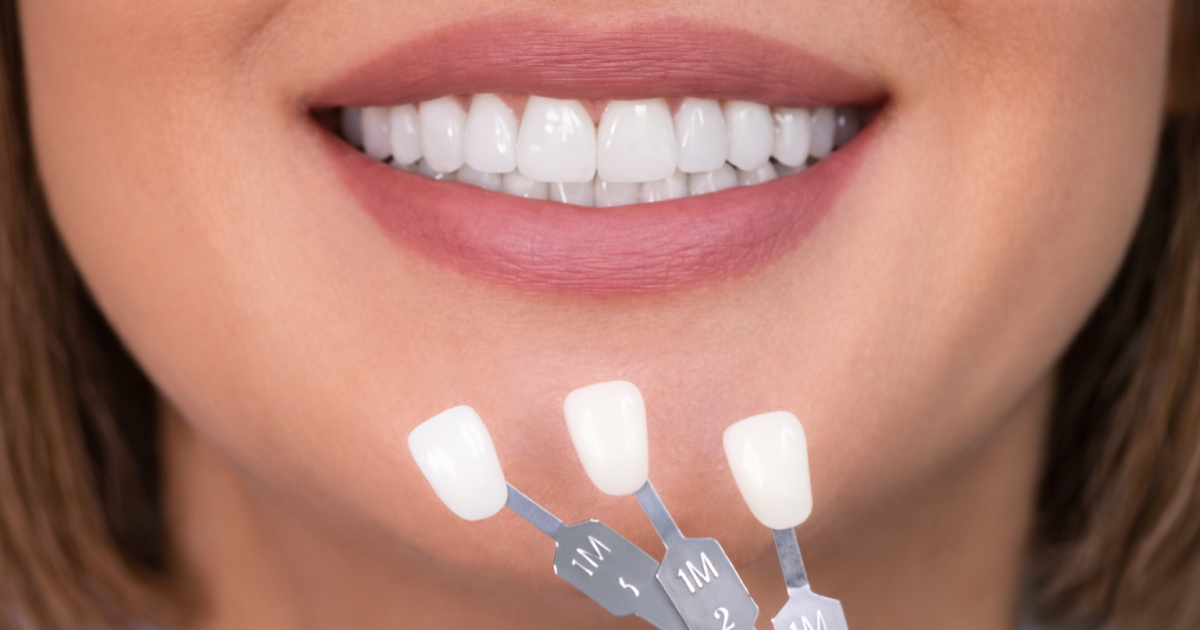
Porcelain and composite veneers are designed to enhance your smile for years—sometimes over a decade. But even high-quality veneers are not indestructible. Over time, they may chip, stain, debond, crack, or simply no longer match your aesthetic goals.
When that happens, patients often ask the same question:
Should I repair my veneers or replace them entirely?
The answer depends on multiple clinical, cosmetic, and structural factors. In this comprehensive guide, we’ll break down:
- When veneers can be repaired
- When replacement is the smarter choice
- The cost differences
- Longevity expectations
- Material considerations (porcelain vs composite)
- Risks of delaying treatment
- How to extend veneer lifespan
Let’s dive deep.
Understanding Why Veneers Fail or Change Over Time
Before deciding whether to repair or replace veneers, it’s important to understand why problems occur in the first place.
Natural Wear and Tear
Even porcelain—one of the strongest dental materials—experiences micro‑wear over time. Constant chewing pressure (average bite force: 150–200 PSI) gradually affects bonding and margins.
Composite veneers wear even faster due to their resin structure.
Trauma or Accidents
Common causes include:
- Biting hard foods (ice, nuts, candy)
- Sports injuries
- Grinding (bruxism)
- Opening packages with teeth
- Sudden impact
Chips are most often caused by localized force at the veneer’s edge.
Staining Over Time
Porcelain is stain-resistant but not stain-proof. Composite veneers stain more easily because of their porous resin matrix.
Staining can result from:
- Coffee
- Red wine
- Smoking
- Poor oral hygiene
- Microleakage at margins
Bond Failure or Debonding
Veneers rely on strong adhesive bonding. Over time, bonding agents can weaken due to:
- Saliva contamination
- Poor initial bonding technique
- Bruxism
- Gum recession exposing margins
When the bond fails, veneers may loosen or detach.
Types of Veneer Damage
Not all veneer issues are equal. Treatment depends on severity.
Minor Surface Stains
Superficial discoloration without structural damage.
Small Edge Chips
Tiny fractures limited to the enamel layer of the veneer.
Cracks
Hairline fractures within porcelain that may worsen over time.
Debonded Veneers
Veneer completely or partially detached.
Severe Structural Damage
Large fractures, broken margins, or decay underneath the veneer.
Each category has a different clinical solution.
When Veneers Can Be Repaired
Repair is typically possible when damage is limited and the underlying tooth remains healthy.
1. Minor Chips on Porcelain Veneers
Small chips on the edge can often be smoothed and polished.
If the chip is slightly larger, composite bonding material can be added and shaped.
Advantages of Repair
- Lower cost
- Faster appointment
- Minimally invasive
- Preserves original veneer
Limitations
- Color match may not be perfect
- Repair area may stain over time
- Not ideal for large fractures
2. Composite Veneer Touch‑Ups
Composite veneers are much easier to repair than porcelain.
Dentists can:
- Add new resin
- Recontour shape
- Polish surface
- Improve minor staining
Composite repairs blend more seamlessly because the material bonds chemically.
3. Surface Polishing for Stains
If discoloration is external:
- Professional polishing
- Air abrasion
- Micro-polishing discs
may restore brightness.
However, whitening treatments do NOT whiten veneers.
4. Rebonding a Fallen Veneer
If a veneer falls off intact:
- The dentist cleans the tooth
- Removes old cement
- Re-etches and rebonds
This is often straightforward if:
- The veneer isn’t cracked
- There is no decay underneath
- The fit remains accurate
When Veneers Should Be Replaced
Repair is not always the best long-term solution.
Replacement is recommended in the following cases:
1. Large Fractures or Structural Compromise
If more than 30–40% of the veneer is damaged, repair becomes unreliable.
Porcelain fractures cannot be rebuilt predictably like composite.
2. Internal Cracks
Hairline cracks may expand under chewing pressure. Even if cosmetically subtle, they weaken the veneer.
Replacement prevents sudden catastrophic failure.
3. Severe Discoloration
If:
- Margins darken
- Bonding shows through
- Underlying tooth darkens
- Veneers appear mismatched
Replacement often delivers better aesthetic results.
4. Recurrent Debonding
If a veneer repeatedly falls off, the bonding surface may be compromised.
Possible causes:
- Insufficient enamel
- Occlusal stress
- Improper bite alignment
Replacement with improved technique is more reliable.
5. Decay Underneath the Veneer
If bacteria infiltrate the margin, decay can form beneath.
The veneer must be removed to:
- Treat decay
- Rebuild tooth structure
- Fabricate a new veneer
Repair alone is insufficient.
Cost Comparison: Repair vs Replace
Costs vary by region and material.
Veneer Repair Cost
- Minor polish: 100–100–250
- Composite repair: 250–250–600
- Rebonding: 200–200–500
Veneer Replacement Cost
- Porcelain veneer: 1,000–1,000–2,500 per tooth
- Composite veneer: 400–400–1,200 per tooth
While repair is cheaper short-term, repeated repairs may exceed replacement cost over time.
Porcelain vs Composite: Which Is Easier to Fix?
Porcelain Veneers
Pros:
- More durable
- Stain resistant
- Natural translucency
Cons:
- Harder to repair invisibly
- Requires lab fabrication if replaced
Composite Veneers
Pros:
- Easier to repair
- Same-day adjustments
- Lower cost
Cons:
- Stain more easily
- Shorter lifespan (5–7 years)
Material type heavily influences the repair decision.
Lifespan Considerations
Porcelain Veneers
Average lifespan: 10–15 years
With proper care: 15–20 years possible
Composite Veneers
Average lifespan: 5–7 years
If veneers are near the end of their lifespan, replacement is often wiser than repair.
Risks of Delaying Treatment
Ignoring chipped or stained veneers can lead to:
- Worsening cracks
- Gum irritation
- Tooth sensitivity
- Bacterial leakage
- Structural damage
- Bite imbalance
Small issues often escalate into larger, more expensive problems.
How Dentists Evaluate Repair vs Replacement
Clinical evaluation includes:
- Visual exam under magnification
- X-rays
- Bite analysis
- Margin integrity check
- Enamel thickness evaluation
- Shade comparison
Dentists assess:
StructuralIntegrity+AestheticImpact+LongevityExpectation Structural Integrity + Aesthetic Impact + Longevity Expectation
If expected longevity after repair is low, replacement is recommended.
Can You Replace Just One Veneer?
Yes—but matching color can be challenging.
Porcelain shade may change slightly over years due to:
- Light reflection changes
- Surrounding enamel aging
- Gum tissue changes
Sometimes multiple veneers are replaced to maintain symmetry.
Preventing Veneer Damage
Prevention dramatically reduces the need for repair.
Wear a Night Guard
Bruxism is a leading cause of veneer fracture.
Avoid Hard Foods
Do not bite:
- Ice
- Hard candy
- Nuts
- Pen caps
Maintain Excellent Hygiene
Plaque at margins causes discoloration and decay.
Avoid Smoking
Smoking increases marginal staining.
Regular Dental Checkups
Early intervention prevents major replacement.
Emotional and Aesthetic Considerations
Sometimes veneers are structurally fine but aesthetically outdated.
Patients may choose replacement for:
- Improved translucency
- Modern materials
- Smile redesign
- Shade upgrade
- Alignment correction
Cosmetic dentistry evolves—materials today look more natural than 10 years ago.
When Emergency Replacement Is Needed
Immediate treatment is necessary if:
- Veneer exposes sensitive dentin
- Tooth becomes painful
- Veneer falls off completely
- Sharp edges cut tongue or cheek
Temporary bonding may be used until final restoration.
Decision Framework: Repair or Replace?
Ask these five questions:
- How old are the veneers?
- How severe is the damage?
- Is decay present?
- Is the aesthetic compromised?
- What is the long-term cost comparison?
If damage is minor and veneers are relatively new → repair.
If veneers are aging, structurally compromised, or cosmetically mismatched → replace.
Frequently Asked Questions Patients Ask
Can chipped veneers be fixed permanently?
Minor chips can be repaired long-term, but larger fractures often require replacement.
Will repaired veneers look natural?
Small repairs can look seamless, especially with composite. Large porcelain repairs may show slight color variation.
Do veneers stain permanently?
Porcelain resists staining; composite stains more easily. Deep intrinsic stains often require replacement.
How long does veneer replacement take?
Porcelain replacement typically requires 2 visits. Composite can often be completed in 1 visit.
Is veneer replacement painful?
Local anesthesia is usually used. Discomfort is minimal.
Final Thoughts
When veneers chip or stain, the solution is not one-size-fits-all. The right decision depends on:
- Extent of damage
- Material type
- Age of veneer
- Aesthetic goals
- Budget
- Long-term durability expectations
Repair offers a conservative, cost-effective solution for minor issues. Replacement provides superior aesthetics and structural reliability when damage is significant.
A professional evaluation ensures that the chosen approach protects your smile, your oral health, and your investment.