
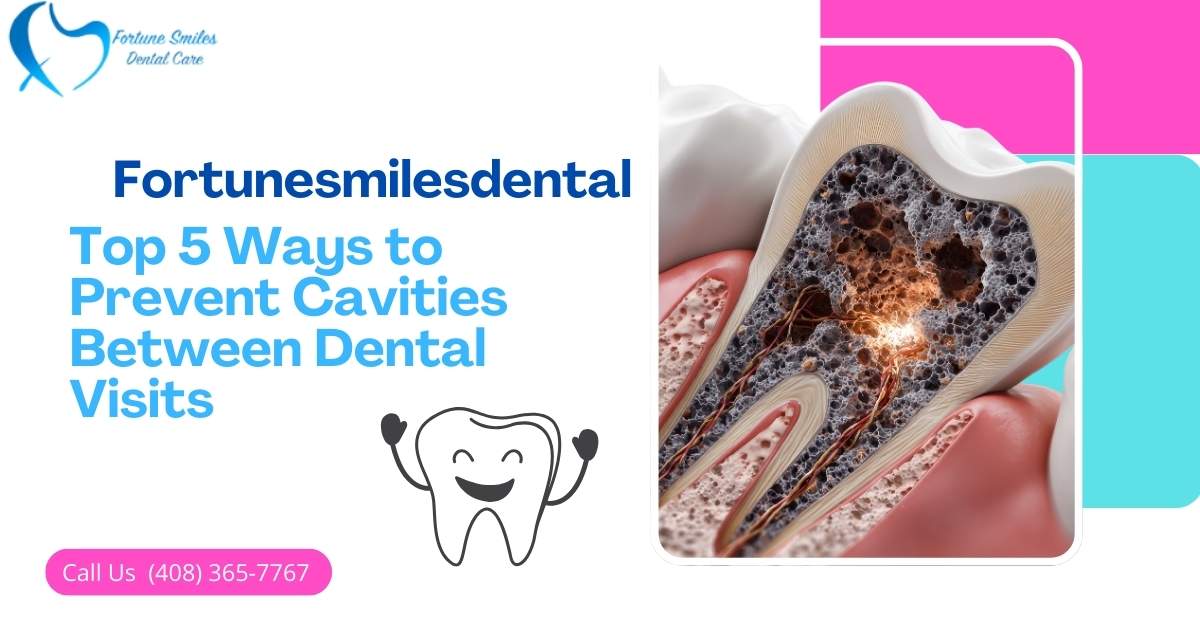
Cavities don’t appear overnight. They form quietly, day by day, when plaque bacteria feed on sugars, produce acids, and slowly weaken your tooth enamel. Even if you visit your dentist regularly, what you do between appointments plays a much bigger role than most people realize.
The good news? Preventing cavities at home is far easier—and far less expensive—than treating them later.
In this guide, you’ll learn five proven, dentist-approved ways to prevent cavities between dental visits, protect your enamel, and keep your smile healthy for the long run. These habits are simple, practical, and powerful when done consistently.
Why Cavity Prevention Matters More Than Treatment
Tooth decay is one of the most common chronic health conditions worldwide. Yet it’s also one of the most preventable.
When cavities are caught early, they may only need minor treatment. But when they’re ignored, they can lead to:
-
Pain and tooth sensitivity
-
Infection or abscess
-
Cracked or broken teeth
-
Root canal treatment
-
Tooth loss and dental implants
That’s why preventive dentistry isn’t just about cleanings—it’s about building daily habits that stop cavities from forming in the first place.
1. Brush the Right Way, Not Just Twice a Day
Most people know they should brush twice a day. Fewer people realize that how they brush matters just as much as how often.
Best Brushing Practices to Prevent Cavities
To truly prevent tooth decay, follow these evidence-based tips:
-
Use a fluoride toothpaste to strengthen enamel and support remineralization
-
Brush for two full minutes, not a rushed 30 seconds
-
Hold your toothbrush at a 45-degree angle toward the gumline
-
Use gentle circular motions, not aggressive scrubbing
-
Clean all surfaces: front, back, chewing surfaces, and along the gums
-
Replace your toothbrush every 3–4 months or sooner if bristles fray
Fluoride plays a crucial role here. It helps repair early enamel damage and makes teeth more resistant to acid attacks from plaque bacteria.
If you struggle with consistency, a powered toothbrush with a built-in timer can dramatically improve your results.
2. Floss Daily (Yes, It Really Is That Important)
Brushing alone doesn’t reach between your teeth—where many cavities actually start.
Flossing removes food particles and plaque buildup from tight spaces your toothbrush simply can’t reach.
Why Flossing Prevents Cavities
When plaque stays between teeth:
-
Bacteria feed on trapped sugars
-
Acids weaken enamel
-
Decay spreads silently
-
Gum inflammation increases
-
Bad breath becomes persistent
Daily flossing reduces all of these risks.
How to Floss Properly
-
Use about 18 inches of floss
-
Gently slide it between teeth
-
Curve it into a “C” shape around each tooth
-
Move it up and down to clean under the gumline
-
Use a fresh section of floss for each tooth
If traditional floss feels difficult, try floss picks or a water flosser. The best floss is the one you’ll actually use every day.
3. Be Smart About Sugar and Acid
Sugar isn’t the villain—it’s the timing and frequency that cause the real damage.
Every time you consume sugar or acidic foods, oral bacteria produce acids that attack your enamel for up to 30 minutes afterward. This is called an “acid attack.”
Foods That Increase Cavity Risk
Limit frequent snacking on:
-
Candy and chocolate
-
Sugary drinks and soda
-
Sports drinks
-
Fruit juices
-
Sticky snacks (caramels, dried fruit)
-
White bread and crackers
Smarter Eating Habits for Cavity Prevention
-
Eat sweets with meals, not between meals
-
Rinse your mouth with water after acidic foods
-
Chew sugar-free gum to boost saliva production
-
Choose enamel-friendly snacks like cheese, yogurt, nuts, and crunchy vegetables
-
Avoid sipping sugary drinks throughout the day
Saliva is your body’s natural defense against cavities. It neutralizes acids and helps wash away bacteria. The more you support saliva flow, the better your natural protection.
4. Use Mouthwash Strategically
Mouthwash isn’t just for fresh breath—it can play a meaningful role in preventing cavities when used correctly.
What to Look for in a Cavity-Prevention Mouthwash
Choose a rinse that contains:
-
Fluoride for enamel strengthening
-
Antibacterial agents to reduce oral bacteria
-
Alcohol-free formulas if you experience dry mouth
How to Use Mouthwash Effectively
-
Rinse once daily, preferably at night
-
Don’t eat or drink for 30 minutes afterward
-
Avoid rinsing immediately after brushing if using fluoride toothpaste—wait at least 30 minutes to let fluoride stay on your teeth longer
Used properly, mouthwash adds an extra protective layer to your oral hygiene routine.
5. Don’t Skip Professional Dental Cleanings
Even with perfect brushing and flossing, plaque eventually hardens into tartar, which can only be removed by a dental professional.
That’s why routine dental checkups are essential for long-term cavity prevention.
What Happens During Preventive Dental Visits
At a preventive dentistry appointment, your dentist will:
-
Remove tartar buildup
-
Polish surface stains
-
Check for early signs of tooth decay
-
Monitor gum health
-
Identify small issues before they become major problems
How Often Should You Go?
Most patients benefit from cleanings every six months. Some may need more frequent visits depending on:
-
Cavity risk
-
Gum health
-
Dry mouth
-
Medical conditions
-
Past dental history
At Fortune Smiles Dental in San Jose, we focus on early detection and minimally invasive care to preserve your natural tooth structure and prevent unnecessary treatments.
Bonus Tips for Extra Cavity Protection
These additional habits can further reduce your risk:
-
Drink plenty of water throughout the day
-
Avoid smoking or vaping
-
Use a night guard if you grind your teeth
-
Treat dry mouth promptly
-
Consider dental sealants for children and teens
-
Maintain a consistent oral hygiene routine
Small daily improvements compound into long-term oral health benefits.
Why Preventive Dentistry Saves You Money
Preventing cavities isn’t just healthier—it’s also far more affordable.
Compare the costs:
-
Routine cleaning: Low cost
-
Small filling: Moderate cost
-
Root canal + crown: High cost
-
Dental implant: Very high cost
By investing in daily prevention and regular dental visits, you dramatically reduce the risk of expensive, invasive procedures later.
When to See a Dentist Immediately
Schedule a dental checkup right away if you notice:
-
Tooth sensitivity to hot or cold
-
Pain when chewing
-
Dark spots or visible holes in teeth
-
Bleeding gums
-
Persistent bad breath
-
Swollen or tender gums
Early treatment prevents minor problems from becoming major dental emergencies.
Final Thoughts: Your Smile Is Built Between Appointments
The secret to cavity prevention isn’t a single product or trick—it’s consistency.
When you:
-
Brush properly
-
Floss daily
-
Limit sugar and acids
-
Use fluoride strategically
-
Maintain regular dental visits
You give your teeth the best possible chance to stay healthy for life.
At Fortune Smiles Dental, we believe preventive care is the foundation of beautiful, long-lasting smiles. Our team is here to support your oral health with gentle, modern, and personalized dental care.